What Do You Eat on a Vegetarian or Vegan Diet? | Long Island Nutritionist
What Do You Eat on a Vegan or Vegetarian Diet?
On a vegetarian or vegan diet, you eat foods that come from plants. This includes fruits, vegetables, grains, nuts, seeds, and beans.
A vegetarian diet leaves out all meat, poultry, and fish. However, most vegetarians still eat animal byproducts such as dairy (milk, cheese, yogurt) and eggs.
A vegan diet is stricter, eliminating all animal products. Vegans do not eat meat, fish, dairy, eggs, or even honey.
What Is the Difference Between a Vegetarian and a Vegan?
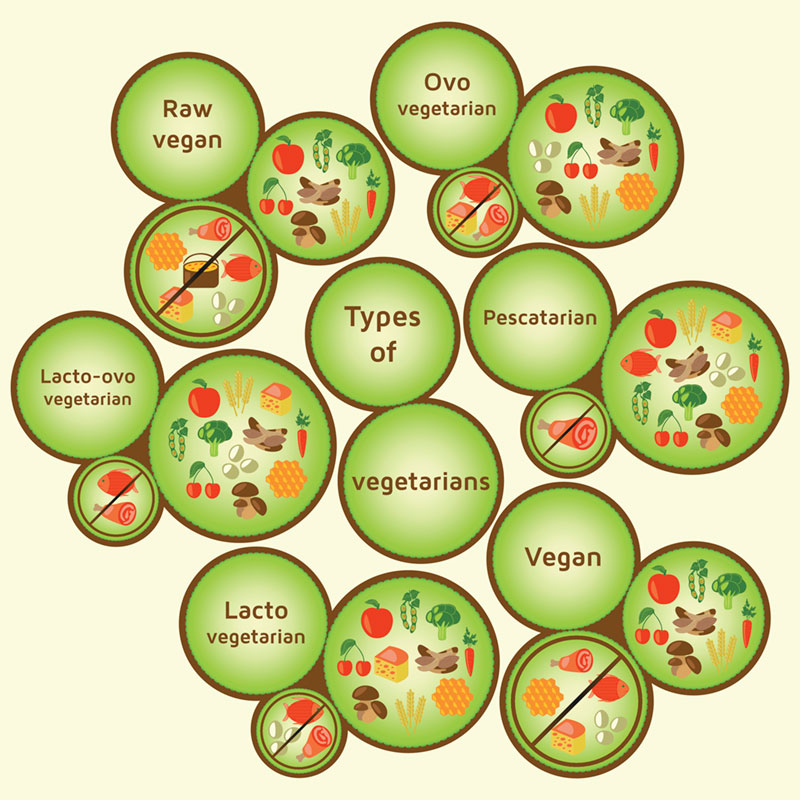
There are several types of vegetarian diets:
- Vegetarian: Does not include fish, poultry, or red meat
- Lacto-ovo vegetarian: Does not include meat, poultry, or fish, but does include dairy and eggs
- Ovo vegetarian: Does not include meat, poultry, fish, or dairy, but does include eggs
- Lacto vegetarian: Does not include meat, poultry, fish, or eggs, but does include dairy
- Vegan: Does not include meat, poultry, fish, dairy, or eggs and also avoids animal byproducts such as honey and gelatin
Is a Vegetarian or Vegan Diet Healthy?
Yes, a vegetarian or vegan diet can be very healthy when it is planned well. But neither diet is automatically healthy on its own; overall health depends on the quality of the foods you choose.
These eating patterns can help prevent or manage several chronic health conditions, including:
- Cardiovascular disease
- Type 2 diabetes
- High blood pressure
- Abdominal obesity
- Plaque formation
They can also:
- Reduce chronic inflammation and oxidative stress
- Support a healthier gut microbiota
What Do You Need to Include in a Vegetarian or Vegan Diet?
Any type of vegetarian diet can be rich in flavor and variety. However, it does require education and planning to ensure you meet your protein and nutrient requirements.
Your plan should include:
- Protein
- Whole grains
- Fruits and vegetables
- Healthy fats
- Dairy alternatives
- Supplements, when needed
Beware of Lifestyle and Dietary Pitfalls
- The “junk food” trap: Meat-free does not automatically mean healthy. Chips, sweets, and highly processed foods may be vegetarian or vegan but offer limited nutritional value.
- Meals away from home: Finding appropriate food options at restaurants or social gatherings can take extra effort.
- Planning demands: Meals require intentional planning to meet daily protein and micronutrient needs.
Do All Types of Vegetarians Need Supplements?
Not necessarily. While vegetarian diets offer many health benefits, they can also increase the risk of certain nutrient deficiencies, including vitamin B12, iron, zinc, and calcium. Careful meal planning—and supplements when appropriate—can help ensure nutritional needs are met.
What Are the Nutritional Risks for Vegetarians and Vegans?
- Vitamin B12 deficiency: Plant foods do not naturally provide adequate B12, increasing the risk of deficiency without fortified foods or supplements.
- Lower iron absorption: Plant-based (non-heme) iron is more difficult for the body to absorb than iron from animal sources, which may contribute to low iron levels or anemia.
- Calcium and vitamin D gaps: Diets that exclude dairy may provide less calcium and vitamin D, potentially affecting bone health over time.
- Zinc and omega-3 deficiencies: Plant compounds such as phytates can reduce zinc absorption, while obtaining adequate omega-3 fatty acids may require more careful planning without fish.
How Can a Dietitian Help Vegetarians or Vegans?
When you work with a dietitian, we work together to establish a healthy and enjoyable eating plan that provides adequate macronutrients and micronutrients.
What can you expect?
- A diet and lifestyle evaluation
- Nutrition education
- An individualized food plan
- Ongoing support
Working with a dietitian takes the guesswork out of implementing an enjoyable plant-based diet that provides adequate macronutrients—protein, carbohydrates, and healthy fats—as well as micronutrients, including vitamins and minerals.
Dietary recommendations include specific foods and eating patterns tailored to your lifestyle, food preferences, and individual health needs.
Schedule an online appointment today!


