
Are Carbohydrates Bad? The Truth About Carbs | Nancy Mazarin, RDN
Are Carbohydrates Bad?
Food is not “good” or “bad.” It exists on a spectrum from least healthy to healthiest. Carbohydrates are essential for health. They are the body’s primary source of energy, fueling everything from daily movement to brain function. The key issue is the type of carbohydrates you choose: the healthiest are minimally processed, while the least healthy are ultra-processed.
The Truth About “Carbs”
Carbs have become the “bad food” of the dieting world. Keto, Paleo, and Atkins diets (a throwback to the 1990s) have labeled carbohydrates as villains. With the surge of misinformation, influencers, and self-proclaimed diet gurus, many people have become carb-phobic, blaming carbohydrates for weight gain, blood sugar spikes, and even inflammation.
These fad diets often contradict nutrition science and evidence-based dietary recommendations—not only for weight management, but for overall health promotion. When people think about “carbs,” they often picture bread, snack foods, and “junk food.” This is inaccurate.
What Are Carbohydrates?
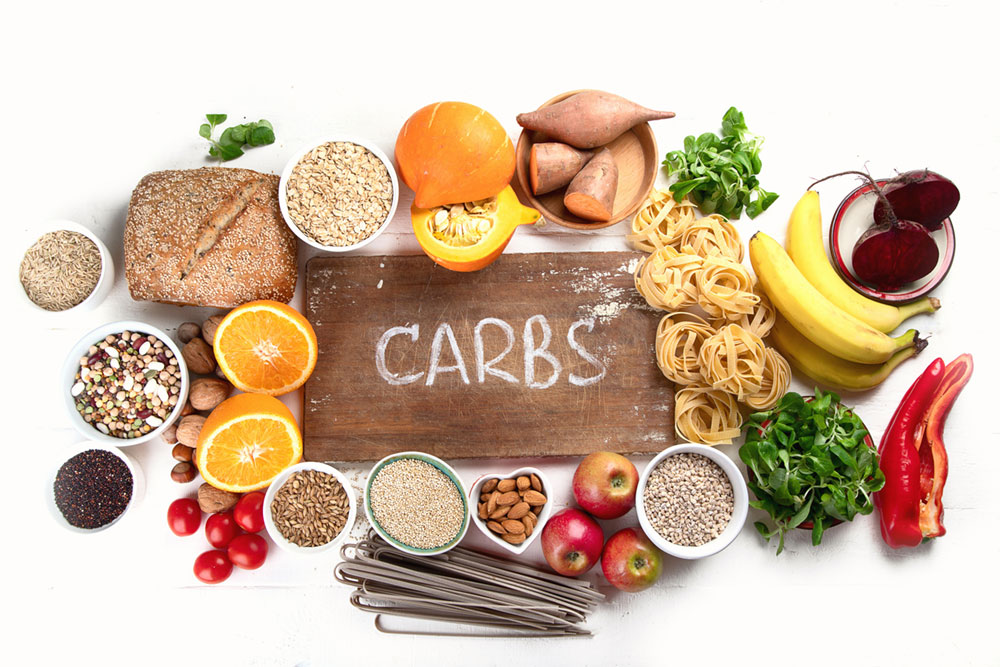
Carbohydrates are foods derived from the plant kingdom. If it grows in the ground—or comes from something that grows in the ground—it is a carbohydrate. This includes vegetables, starches (starchy vegetables and grains), and fruits.
How Do Our Bodies Use Carbohydrates?
Carbohydrates are the body’s primary source of fuel. During digestion, they are broken down into glucose (blood sugar), providing the energy needed to power the brain, kidneys, heart muscles, and central nervous system.
Beyond immediate energy, carbohydrates serve several essential functions:
- Energy storage: Extra glucose is stored in the liver and muscles as glycogen, acting as a quick-access energy reserve between meals
- Protein preservation: When you consume enough carbohydrates, the body uses them for energy rather than breaking down muscle tissue for fuel
- Digestive health: Dietary fiber—found only in carbohydrate-containing foods—helps maintain regular bowel movements, prevent constipation, and nourish healthy gut bacteria
- Heart and metabolic health: Fiber has been shown to help manage blood sugar spikes, improve insulin sensitivity, and lower cholesterol levels
Is the Quality of the Carbohydrate Important?
Yes. Carbohydrate quality is far more important than total quantity.
The source and level of processing of your carbohydrate choices heavily influence your risk of chronic diseases such as type 2 diabetes, heart disease, and inflammation, and also impact weight management.
- The healthiest carbohydrate sources—unprocessed or minimally processed grains, starchy vegetables, vegetables, and fruits—promote good health
- Less healthy carbohydrate sources—ultra-processed grains and snack foods—contain rapidly digested carbohydrates that may contribute to weight gain, interfere with weight loss, and increase the risk of chronic disease and inflammation
How to Incorporate Carbohydrates to Attain and Maintain Your Optimal Weight While Promoting Good Health
Although individual needs vary, all healthy diet plans should include carbohydrates.
To promote health and manage weight, every nutrition plan should include a balance of nutrients: protein, starches, vegetables, and fruit. Minimally processed foods should be maximized while ultra-processed foods should be minimized.
Through online nutrition counseling, you can develop a healthy, enjoyable, and personalized nutrition plan that includes carbohydrates and supports your wellness goals.
Confused about your specific nutrition needs? Book a consultation with Nancy to find the right balance for your body.


