What Happens When You Stop Taking Ozempic and Wegovy, GLP-1 Weight Loss Drugs?
These “miracle weight loss drugs” swept the nation a few years ago. Originally developed to help people with type 2 diabetes control blood sugar, they were also found to be an incredibly effective treatment for obesity. Now, however, the language around them has shifted, promoting GLP-1 medications as lifestyle drugs—which is problematic.
It’s important to understand what GLP-1 medications are, how they work in the body, and what studies now tell us happens after we stop taking them.
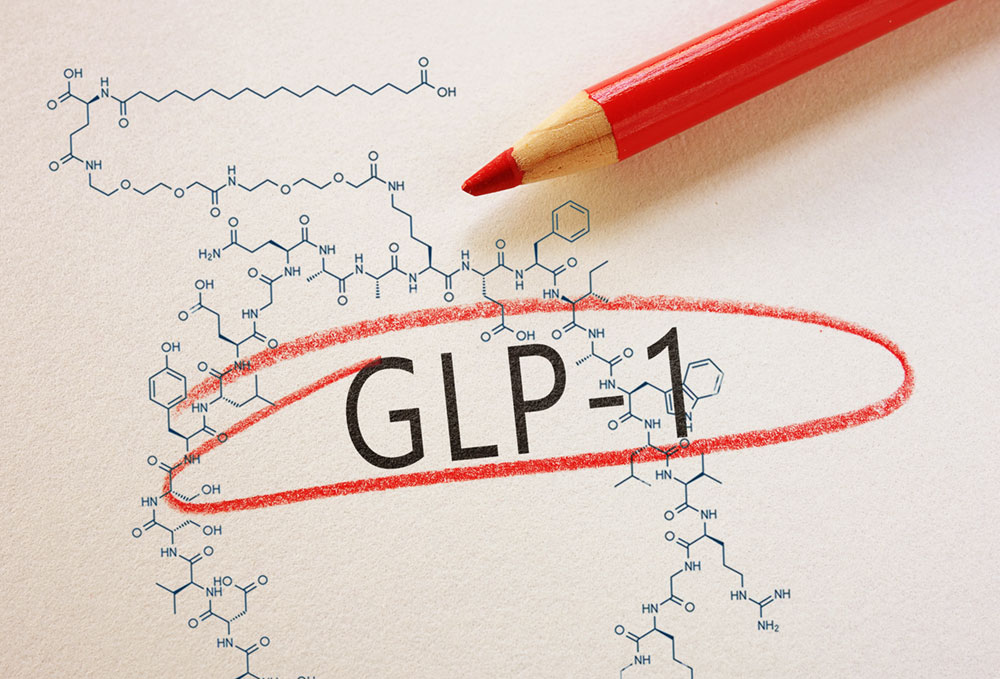
What Is GLP-1?
Our bodies naturally produce a hormone in the gut called glucagon-like peptide-1 (GLP-1). This hormone helps regulate blood sugar by stimulating insulin secretion, slowing stomach emptying, and signaling fullness. GLP-1 medications mimic this hormone and amplify its effects.
These medications delay digestion, decrease hunger, and help control blood sugar levels. As a result, many people experience significant weight loss while taking them.
What Happens AFTER You Stop Taking GLP-1s?
These medications were developed to treat chronic conditions such as obesity and type 2 diabetes. As Sumanthi Reddy wrote in the Wall Street Journal, “Popular weight-loss drugs are meant to be lifelong treatments for a disease, not lifestyle fixes.”
Language that frames these medications as “quick fixes” or ways to “boost your weight loss plan” often ignores how they affect the body.
Just as the medication suppresses appetite while you are taking it, appetite often returns when the medication is stopped—sometimes quite strongly. Research reported in the Wall Street Journal and the British Medical Journal shows that within about a year and a half, many individuals return to their baseline weight, often regaining weight faster than those who used other weight-loss medications.
Should You Take GLP-1s?
I do not take a position on whether an individual should or should not take a medication. That decision requires a medical evaluation and should be discussed with your physician.
While these medications can be very effective at reducing appetite and food noise, they do not teach sustainable eating habits. Working with a Registered Dietitian Nutritionist (RDN) while taking weight-loss medication is critical for maximizing results, managing side effects, and supporting long-term weight maintenance.
What Are the Health Concerns When Taking a Weight-Loss Medication?
- Loss of skeletal muscle mass
- Insufficient macronutrient intake
- Insufficient micronutrient intake
- Following an overly restrictive diet
- Managing potential side effects
How Can a Dietitian Support People Taking Ozempic or Wegovy?
Research shows that when people stop taking these medications, weight gain often returns if they have not developed a sustainable nutrition program. Medication is a tool—not a magical solution—and it does not work in isolation. To maximize results and long-term success, nutrition therapy with a Registered Dietitian Nutritionist is essential.
More specifically, consideration must be given to:
- Preserving skeletal muscle mass
- Avoiding overly restrictive eating patterns
- Minimizing medication side effects
- Preventing nutrient deficiencies
Addressing behavioral factors such as:
- Emotional eating
- Eating habits
- Social situations
- Environmental influences
Not only do you want to maximize the benefits of the medication and minimize side effects, you also want to learn how to sustain your optimal weight and promote long-term health. With an RDN, you receive both nutrition education and personalized recommendations that help you understand nutrition and make informed food choices. You will also receive a personalized meal plan that considers your lifestyle, food preferences, and dietary needs.
Final Thoughts
When working with an experienced Registered Dietitian Nutritionist while taking weight-loss medication, you receive a personalized plan, develop healthy eating habits, and gain emotional support and accountability. With my expertise, the combination of medication and nutrition therapy can enhance weight-loss results and help support long-term success.
Further Reading


