Implement a Heart Healthy Diet Plan from a Long Island RDN
How to Implement a Heart-Healthy Diet Plan from a Long Island RDN
Reduce your risk of cardiovascular disease, heart attack, and stroke — one delicious bite at a time.
According to the CDC, heart disease is the leading cause of death for men and women across most racial and ethnic groups in the United States. Unlike many chronic conditions, cardiovascular disease can often be prevented, reversed, or managed with Medical Nutrition Therapy.
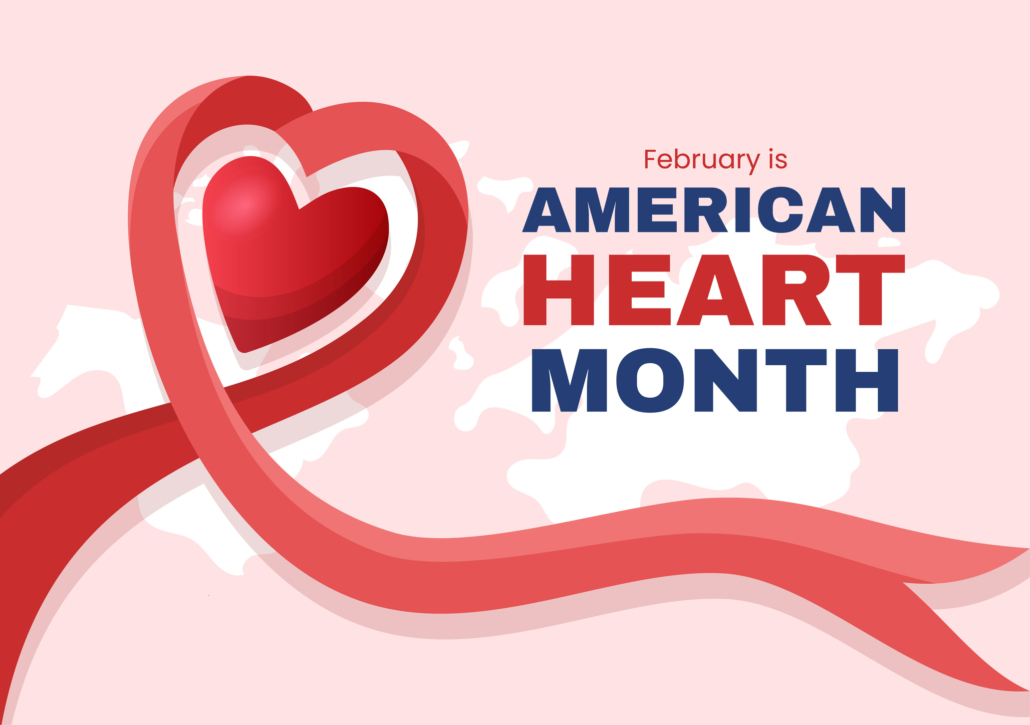
February is American Heart Month, and as a Registered Dietitian Nutritionist here on Long Island, I work with individuals to not only manage CVD, but also reduce the risk of heart disease, heart attack, and stroke through sustainable dietary, behavioral, and lifestyle changes.
A healthy diet isn’t a single meal, nor is it a short-term fix. It’s the development of a sustainable eating pattern that is enjoyable and consistent with your food preferences and lifestyle.
How Nutrition Therapy Supports Heart Health
Nutrition therapy goes far beyond simply “eating better.” When guided by a Registered Dietitian Nutritionist (RDN), it becomes a personalized Medical Nutrition Therapy approach to improving heart health and reducing cardiovascular risk factors such as high cholesterol, elevated blood pressure, insulin resistance, inflammation, and excess weight.
Through online nutrition therapy, I work with you to identify dietary, behavioral, and lifestyle factors that contribute to your risk of cardiovascular disease and potential events such as heart attack or stroke.
Nutrition education, combined with personalized and strategic changes, can make a meaningful difference — for example, learning how to increase fiber intake, improve fat quality, and balance macronutrients. Dietary modifications, together with behavioral and lifestyle changes, can lead to significant reductions in cardiovascular risk.
Cardiovascular Dietitian Tips – Heart-Healthy Kitchen Staples
There are many delicious foods to choose from when following a heart-healthy diet. Rather than focusing on what to avoid, shift your mindset to what you can eat to manage cardiovascular disease and promote overall health.
For a heart-healthy pantry, stock up on:
- Colorful fruits and vegetables (berries, leafy greens, tomatoes)
- Whole grains (oats, quinoa, brown rice)
- Lean proteins (fish, skinless poultry, beans, tofu, low-fat dairy)
- Healthy fats (avocado, olive oil, seeds, nuts)
Implement a whole-food, plant-based, flexitarian approach.
Limit ultra-processed foods and prioritize minimally processed options whenever possible.
These simple additions can make a big difference in your heart health. If you’re ready to create a personalized plan that fits your lifestyle, I’m here to help. Let’s work together to build sustainable, heart-healthy habits.


