What Is Gluten Sensitivity? | Online Nutrition Therapy, RDN
What Is Gluten Sensitivity?
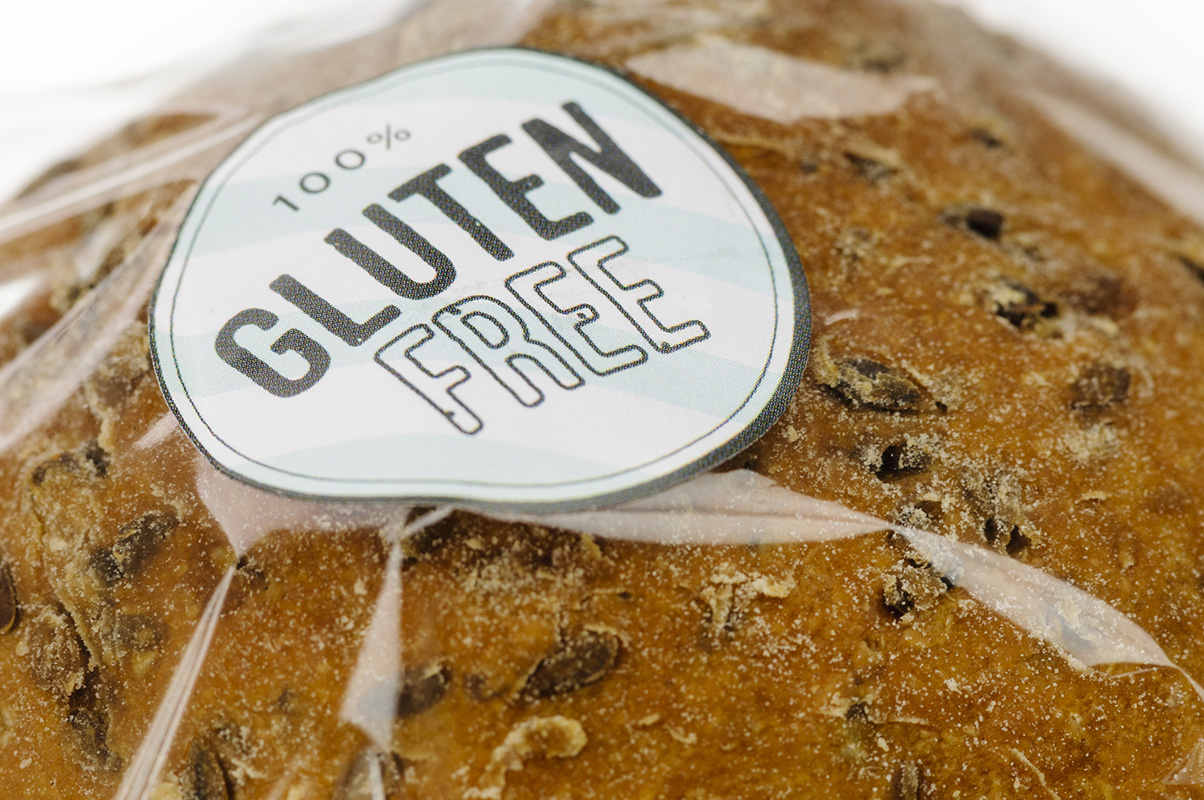
Being gluten sensitive means you feel sick or uncomfortable after eating gluten—a protein found in wheat, barley, and rye—but you do not have celiac disease.
This condition is also called non-celiac gluten sensitivity (NCGS) or gluten intolerance.
What Are the Signs and Symptoms of Gluten Sensitivity?
- Bloating
- Gas
- Abdominal pain
- Diarrhea
- Constipation
- Chronic fatigue
- “Brain fog” or trouble concentrating
- Headaches
- Joint pain
- Anxiety
- Depression
What Is the Difference Between Gluten Sensitivity and Celiac Disease?
Both conditions can trigger similar digestive symptoms when you eat gluten, but they affect your body differently.
Celiac Disease
- Type: An autoimmune disorder in which your immune system attacks your small intestine.
- Intestinal damage: Damages the tiny finger-like structures (villi) that absorb nutrients, potentially leading to malnutrition, anemia, or bone loss.
- Testing: Can produce positive results on specific blood antibody tests and intestinal biopsies.
- Treatment: Requires a strict, 100% gluten-free diet for life. Even tiny amounts of gluten can cause internal damage.
Gluten Sensitivity (Non-Celiac Gluten Sensitivity)
- Type: A food sensitivity or intolerance that causes physical discomfort.
- Intestinal damage: Does not damage the small intestine or cause long-term malabsorption.
- Testing: There is no specific test for gluten sensitivity. Celiac disease and wheat allergy must first be ruled out.
- Treatment: Requires reducing or avoiding gluten. Many people can tolerate small amounts without the intestinal damage that occurs with celiac disease.
What Is the Best Diet for People With Gluten Sensitivity?
A whole-food, plant-based, flexitarian eating plan that includes both plant and animal proteins while avoiding wheat, rye, barley, and prepared foods containing these ingredients.
Foods you can eat include:
- Fresh produce: All fresh fruits and vegetables
- Proteins: Unprocessed meat, fish, poultry, and eggs
- Dairy: Plain milk, cheese, and yogurt
- Legumes, nuts, and seeds: Beans, lentils, raw nuts, and chia seeds
Gluten-Free Grain Alternatives
Rice: White, brown, and wild rice
Quinoa: A protein-rich seed used like a grain
Buckwheat: Naturally gluten-free groats or flour
Millet and amaranth: Ancient grains that add variety
Oats: Only if labeled “certified gluten-free” to avoid cross-contamination
How Can I Tell if I’m Sensitive to Gluten?
There is no blood test that detects gluten sensitivity. It is diagnosed through an elimination diet followed by a challenge phase. Gluten must initially be eliminated since reactions can appear hours, or even days, after eating it.
Once symptoms have improved, a challenge phase can help determine your individual tolerance to gluten. Several factors are important during this phase:
- The quantity consumed at one time
- Frequency of consumption throughout the day
- The cumulative effect over the course of a week
Are Gluten-Free Foods Healthier Than Foods With Gluten?
A trip through almost any grocery store reveals this truth: it has never been easier to be gluten-free. The increase in readily available gluten-free products is good news for people with celiac disease or non-celiac gluten sensitivity, but easy access may also encourage people who don’t need to avoid gluten to do so.
Many people think following a gluten-free diet is a healthier way to eat, but that isn’t necessarily true. Restricting gluten can make a tremendous difference for people whose bodies don’t tolerate it well, but a gluten-free diet isn’t a healthier choice for everyone.
If you suspect you have celiac disease or gluten intolerance, see your healthcare provider before going gluten-free.
How a Dietitian Nutritionist Can Help You Manage Gluten Sensitivity (NCGS)
Medical Nutrition Therapy (MNT) with a Registered Dietitian Nutritionist (RDN) for non-celiac gluten sensitivity is a structured, evidence-based approach designed to resolve symptoms and determine your individual tolerance for wheat and gluten.
As a Registered Dietitian Nutritionist, I provide online nutrition therapy to help you manage non-celiac gluten sensitivity. I will create a personalized, healthy eating plan that initially restricts gluten to prevent symptoms and promote good health.
Once your symptoms have resolved, we will begin a challenge phase to determine your tolerance to gluten, ultimately establishing a sustainable and enjoyable eating plan.


